


28 Aug 2026
Publish Date
Thursday 28 May 2026 - 10:58


recommended
0
Afghanistan and Pakistan
The Evolution of the Afghanistan–Pakistan Conflict Pattern; and its Implications for Iran
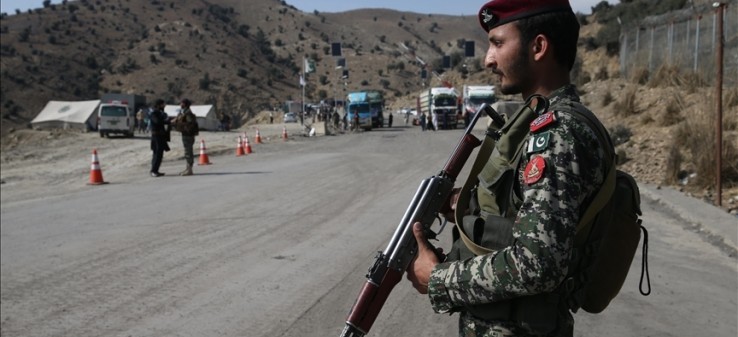
Based on the recurring clashes between Afghanistan and Pakistan and the absence of any clear prospect for resolving this conflict, the dispute between the two countries can be analyzed within the framework of the concept of “chronic structural conflict.” Within this framework, the crisis is the result of a set of enduring structures of conflict.
By: Javid Hosseini; Researcher on Afghan Affairs
10 Minutes Reading
Based on the recurring clashes between Afghanistan and Pakistan and the absence of any clear prospect for resolving this conflict, the dispute between the two countries can be analyzed within the framework of the concept of “chronic structural conflict.” Within this framework, the crisis is the result of a set of enduring structures of conflict.
10 Minutes Reading
Based on the recurring clashes between Afghanistan and Pakistan and the absence of any clear prospect for resolving this conflict, the dispute between the two countries can be analyzed within the framework of the concept of “chronic structural conflict.” Within this framework, the crisis is the result of a set of enduring structures of conflict.
Introduction
Based on the recurring clashes between Afghanistan and Pakistan and the absence of any prospect for resolving this conflict, the dispute between the two countries can be analyzed within the framework of the concept of “chronic structural conflict”. Within this framework, the crisis is the result of a set of enduring structures of conflict. The most important of these structures are:
The unresolved historical border dispute. The series of actions undertaken by Pakistan and the Taliban government along the Durand Line demonstrates that the border issue has evolved from a historical disagreement into an active national security issue in relations between the two countries.
Tehreek-e-Taliban Pakistan (TTP), which has disrupted Pakistan’s internal security and damaged the image of the country’s military.
The decline of Pakistan’s traditional influence over the Taliban and the strengthening of the Taliban government’s sense of strategic independence.
The India factor, which, contrary to Pakistan’s expectations, has once again become influential in Afghanistan.
The combination of these structural factors has caused the cycle of crisis production in relations between the two countries to continue and become chronic.
The recent clashes between the two countries possess several distinguishing characteristics compared to previous periods. First is the expansion of the geographical scope of the conflict. Unlike the past, when clashes occurred mainly along the border, in this round of confrontations, attacks have extended into the territorial depths of both countries.
Pakistan’s air force carried out several strikes inside Afghanistan, and according to reports from news sources, Bagram Air Base and several centers of the Taliban government army corps in multiple provinces were targeted by Pakistani airstrikes. From a strategic perspective, these actions indicate a change in Pakistan’s security calculations and demonstrate that Islamabad’s tolerance threshold regarding security threats has significantly decreased.
The Taliban government has also directed threats—albeit limited in scale—toward the territorial depth of Pakistan through the use of drones. According to news sources not affiliated with either country, various areas of Islamabad and even a military facility in Rawalpindi were targeted by Taliban drone attacks.
Evolution in the Instruments of Conflict
One of the important features of the new round of tensions is the evolution in the military instruments being used. While Pakistan has relied on its air superiority to conduct strikes deep inside Afghan territory, the Taliban government has unexpectedly developed its retaliatory capabilities.
The Taliban’s acquisition of offensive drones and attacks on certain Pakistani military centers have been among the surprises of the recent conflict between the two countries. Although the scale of the Taliban’s drone attacks has been limited, the Taliban presents them as evidence of a shift in the deterrence equation within this conflict.
The importance of this transformation lies in three points: first, the relative reduction of military asymmetry; second, the possibility of retaliatory strikes beyond border regions; and third, the increasing complexity of deterrence calculations.
As a result, the Afghanistan–Pakistan conflict is transitioning from a traditional border dispute into a multi-layered security competition, and this development must be taken into account in assessing the future trajectory of the Afghanistan–Pakistan conflict.
Two Possible Scenarios
Given the current trends, two principal paths can be envisioned for the future of this crisis.
The first scenario is movement toward a large-scale conflict between the two countries. In this scenario, the intensification of attacks by anti-Pakistan armed groups could push Islamabad toward broader military operations inside Afghanistan. Such a trend would increase the likelihood of direct confrontation between the military forces of the two countries.
The second scenario is the consolidation of a gray zone of permanent tension. In this scenario, full-scale war does not occur, but border clashes, limited attacks, and political-security crises continue to recur periodically. Under such conditions, the Afghanistan–Pakistan border would become a permanent security gray zone.
This scenario appears more likely.
Geopolitical Implications for Iran
The consolidation of the pattern of “chronic structural conflict” between Afghanistan and Pakistan carries important implications for the security and geopolitical environment of the Islamic Republic of Iran.
The first implication is the change in the geography of insecurity in eastern Iran. Although the concentration of clashes along the Afghanistan–Pakistan border may reduce part of the direct security pressure on Iran’s borders, it may simultaneously intensify informal economies, smuggling, and peripheral instability. This danger should especially be considered from the perspective of the movements of the Islamic State of Khorasan Province (ISKP) group.
The chronic nature of the conflict between the Taliban government and Pakistan—which will certainly be accompanied by the erosion of the Taliban government’s security capacities—may divert Kabul’s attention away from ISKP, thereby providing this terrorist group with an opportunity for renewed growth in Afghanistan.
The second implication is the relative decline of Pakistan’s geopolitical influence in Afghanistan. The intensification of tensions between Islamabad and the Taliban government may gradually create greater space for the role of other regional actors.
The third implication is the change in the regional transit equations. With the continued disruption of Afghanistan’s trade routes with Pakistan, Afghanistan’s transit routes through Iran and Central Asia may become established not merely as temporary alternatives, but as stable and enduring corridors.
The fourth implication is the increasing complexity of competition among regional powers. Actors such as China and India may attempt to expand their influence in Afghanistan, a development that would make the geopolitical environment of eastern Iran more multipolar.
Conclusion
The recent clashes between Afghanistan and Pakistan demonstrate that the security relations between the two countries are moving beyond the pattern of temporary crises toward a form of “chronic structural conflict.” In this situation, the conflict is moving neither toward a full-scale war nor toward the establishment of a lasting peace; rather, it is being reproduced in the form of recurring tensions, limited attacks, and security competition along the border and even within the territorial depth of both sides.
Pakistan’s airstrikes deep inside Afghan territory, and in response, the Taliban’s use of new instruments such as offensive drones, demonstrate that the pattern of this conflict is evolving and that new elements of limited mutual deterrence are taking shape within it. Such developments increase the likelihood of the Afghanistan–Pakistan border becoming a “permanent security gray zone.”
The consolidation of the pattern of “chronic structural conflict” between Afghanistan and Pakistan means the emergence of an unstable security environment in eastern Iran. Consequently, Iran’s regional policy toward Afghanistan should focus more than ever on the active management of the unstable surrounding environment, strengthening regional security cooperation, and taking advantage of the geopolitical opportunities arising from the relative decline of Pakistan’s influence in Afghanistan.
Based on the recurring clashes between Afghanistan and Pakistan and the absence of any prospect for resolving this conflict, the dispute between the two countries can be analyzed within the framework of the concept of “chronic structural conflict”. Within this framework, the crisis is the result of a set of enduring structures of conflict. The most important of these structures are:
The unresolved historical border dispute. The series of actions undertaken by Pakistan and the Taliban government along the Durand Line demonstrates that the border issue has evolved from a historical disagreement into an active national security issue in relations between the two countries.
Tehreek-e-Taliban Pakistan (TTP), which has disrupted Pakistan’s internal security and damaged the image of the country’s military.
The decline of Pakistan’s traditional influence over the Taliban and the strengthening of the Taliban government’s sense of strategic independence.
The India factor, which, contrary to Pakistan’s expectations, has once again become influential in Afghanistan.
The combination of these structural factors has caused the cycle of crisis production in relations between the two countries to continue and become chronic.
The recent clashes between the two countries possess several distinguishing characteristics compared to previous periods. First is the expansion of the geographical scope of the conflict. Unlike the past, when clashes occurred mainly along the border, in this round of confrontations, attacks have extended into the territorial depths of both countries.
Pakistan’s air force carried out several strikes inside Afghanistan, and according to reports from news sources, Bagram Air Base and several centers of the Taliban government army corps in multiple provinces were targeted by Pakistani airstrikes. From a strategic perspective, these actions indicate a change in Pakistan’s security calculations and demonstrate that Islamabad’s tolerance threshold regarding security threats has significantly decreased.
The Taliban government has also directed threats—albeit limited in scale—toward the territorial depth of Pakistan through the use of drones. According to news sources not affiliated with either country, various areas of Islamabad and even a military facility in Rawalpindi were targeted by Taliban drone attacks.
Evolution in the Instruments of Conflict
One of the important features of the new round of tensions is the evolution in the military instruments being used. While Pakistan has relied on its air superiority to conduct strikes deep inside Afghan territory, the Taliban government has unexpectedly developed its retaliatory capabilities.
The Taliban’s acquisition of offensive drones and attacks on certain Pakistani military centers have been among the surprises of the recent conflict between the two countries. Although the scale of the Taliban’s drone attacks has been limited, the Taliban presents them as evidence of a shift in the deterrence equation within this conflict.
The importance of this transformation lies in three points: first, the relative reduction of military asymmetry; second, the possibility of retaliatory strikes beyond border regions; and third, the increasing complexity of deterrence calculations.
As a result, the Afghanistan–Pakistan conflict is transitioning from a traditional border dispute into a multi-layered security competition, and this development must be taken into account in assessing the future trajectory of the Afghanistan–Pakistan conflict.
Two Possible Scenarios
Given the current trends, two principal paths can be envisioned for the future of this crisis.
The first scenario is movement toward a large-scale conflict between the two countries. In this scenario, the intensification of attacks by anti-Pakistan armed groups could push Islamabad toward broader military operations inside Afghanistan. Such a trend would increase the likelihood of direct confrontation between the military forces of the two countries.
The second scenario is the consolidation of a gray zone of permanent tension. In this scenario, full-scale war does not occur, but border clashes, limited attacks, and political-security crises continue to recur periodically. Under such conditions, the Afghanistan–Pakistan border would become a permanent security gray zone.
This scenario appears more likely.
Geopolitical Implications for Iran
The consolidation of the pattern of “chronic structural conflict” between Afghanistan and Pakistan carries important implications for the security and geopolitical environment of the Islamic Republic of Iran.
The first implication is the change in the geography of insecurity in eastern Iran. Although the concentration of clashes along the Afghanistan–Pakistan border may reduce part of the direct security pressure on Iran’s borders, it may simultaneously intensify informal economies, smuggling, and peripheral instability. This danger should especially be considered from the perspective of the movements of the Islamic State of Khorasan Province (ISKP) group.
The chronic nature of the conflict between the Taliban government and Pakistan—which will certainly be accompanied by the erosion of the Taliban government’s security capacities—may divert Kabul’s attention away from ISKP, thereby providing this terrorist group with an opportunity for renewed growth in Afghanistan.
The second implication is the relative decline of Pakistan’s geopolitical influence in Afghanistan. The intensification of tensions between Islamabad and the Taliban government may gradually create greater space for the role of other regional actors.
The third implication is the change in the regional transit equations. With the continued disruption of Afghanistan’s trade routes with Pakistan, Afghanistan’s transit routes through Iran and Central Asia may become established not merely as temporary alternatives, but as stable and enduring corridors.
The fourth implication is the increasing complexity of competition among regional powers. Actors such as China and India may attempt to expand their influence in Afghanistan, a development that would make the geopolitical environment of eastern Iran more multipolar.
Conclusion
The recent clashes between Afghanistan and Pakistan demonstrate that the security relations between the two countries are moving beyond the pattern of temporary crises toward a form of “chronic structural conflict.” In this situation, the conflict is moving neither toward a full-scale war nor toward the establishment of a lasting peace; rather, it is being reproduced in the form of recurring tensions, limited attacks, and security competition along the border and even within the territorial depth of both sides.
Pakistan’s airstrikes deep inside Afghan territory, and in response, the Taliban’s use of new instruments such as offensive drones, demonstrate that the pattern of this conflict is evolving and that new elements of limited mutual deterrence are taking shape within it. Such developments increase the likelihood of the Afghanistan–Pakistan border becoming a “permanent security gray zone.”
The consolidation of the pattern of “chronic structural conflict” between Afghanistan and Pakistan means the emergence of an unstable security environment in eastern Iran. Consequently, Iran’s regional policy toward Afghanistan should focus more than ever on the active management of the unstable surrounding environment, strengthening regional security cooperation, and taking advantage of the geopolitical opportunities arising from the relative decline of Pakistan’s influence in Afghanistan.
News code:4290
Author : Javid Hoseini Researcher at the Institute for East Strategic Studies (IESS)
Source : East Studies